Examining Random Number Generation in Region-Specific Mobile Slot and Bingo Applications
Alex Washington · Nov 17, 2026
Examining Random Number Generation in Region-Specific Mobile Slot and Bingo Applications
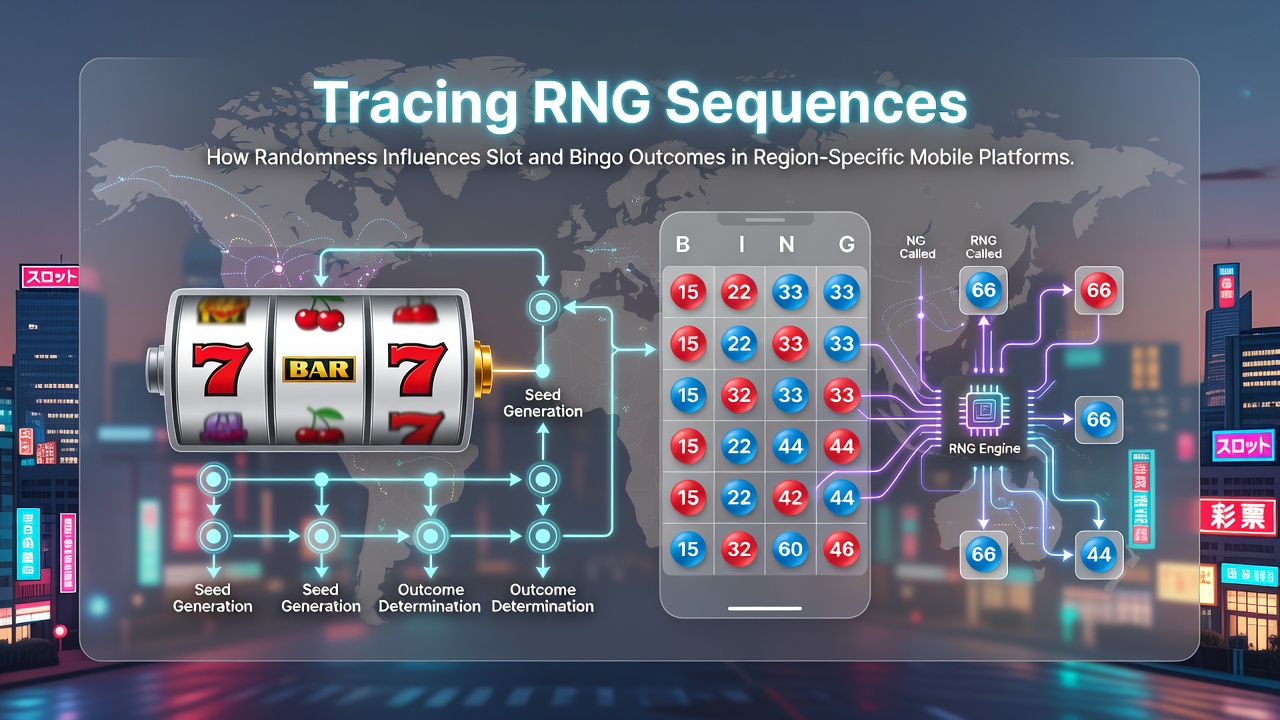
Random number generators form the core mechanism behind slot and bingo results on mobile platforms, and tracing those sequences reveals how outcomes emerge in different regulatory environments. Mobile applications in various jurisdictions rely on certified RNG systems that produce sequences of numbers determining reel positions, bingo ball draws, and bonus triggers. Data from regulatory testing labs shows that these systems must meet specific statistical standards before deployment on regional app stores or operator servers.
Core Mechanics of RNG in Mobile Gaming
Slot games use RNG algorithms to map numerical outputs directly to symbol combinations on virtual reels, while bingo applications generate numbers that match against player cards in real time. Both formats depend on the same underlying principle: an initial seed value feeds into a deterministic function that produces long strings of apparently unpredictable results. Observers note that true randomness remains impossible in digital systems, so developers employ pseudorandom number generators seeded by hardware entropy sources such as device temperature fluctuations or network latency measurements.
Certification bodies require operators to submit RNG code for independent verification, and reports from the Nevada Gaming Control Board indicate that approved systems undergo millions of simulated spins before receiving clearance. Similar processes apply in other markets, where statistical tests for uniformity, independence, and unpredictability form the basis of approval.
Regional Regulatory Variations and Platform Implementation
Mobile platforms must adapt RNG implementations to local rules, and these adaptations create measurable differences in how sequences influence gameplay. In the United States, state-level regulators impose distinct testing frequencies and reporting requirements that affect how often operators refresh their RNG seeds or update their algorithms. European jurisdictions follow technical standards outlined in directives from bodies like the Malta Gaming Authority, which emphasize continuous monitoring of live game data rather than periodic audits alone.
Australian operators face additional requirements under the Interactive Gambling Act that influence seed generation timing on mobile devices, and researchers at several universities have documented how these rules alter the distribution patterns observable in player logs. By November 2026, several regions had introduced mandatory integration of quantum-resistant RNG modules into new mobile releases to address emerging computational threats.
Tracing Sequences and Outcome Predictability
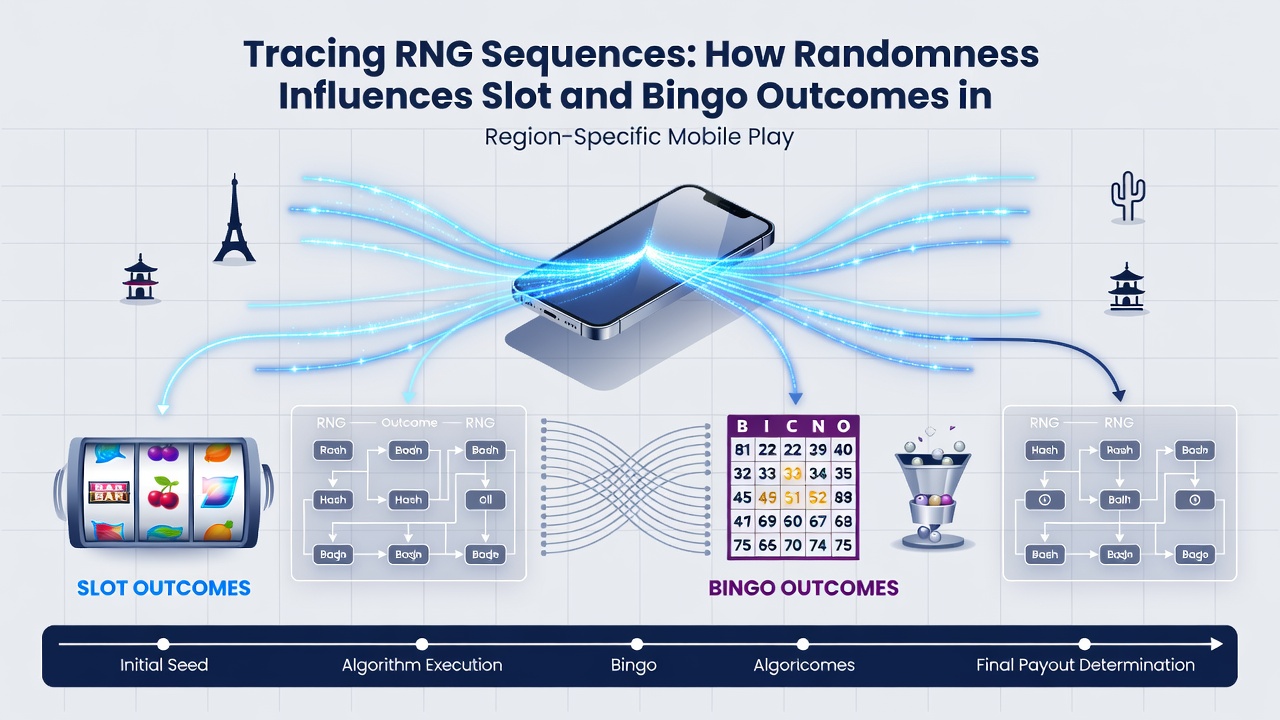
Sequence tracing involves recording the output stream from an RNG and analyzing it for patterns that might reveal the underlying algorithm or seed state. Security researchers have demonstrated that certain older mobile implementations left detectable correlations when the same seed initialization method was reused across sessions. Modern platforms counter this risk by incorporating device-specific entropy and frequent reseeding, yet the fundamental mathematics remains consistent across markets.
Bingo outcomes on mobile platforms show particular sensitivity to RNG cycle length because draws occur in shorter bursts than continuous slot spins. Figures from industry reports reveal that shorter cycles can produce clustering effects visible in large sample sets, although certified systems keep these effects within acceptable probability bounds. Those who study player data across regions find that regulatory differences in required return-to-player percentages further shape how RNG sequences translate into actual win frequencies on user screens.
Mobile-Specific Factors Affecting Randomness
Device hardware introduces additional variables that regional platforms must account for during RNG deployment. Battery levels, processor load, and background app activity can influence entropy collection routines, and developers therefore layer multiple entropy sources to maintain sequence integrity. Studies published in computing journals confirm that mobile RNG performance remains statistically sound even under varying network conditions, provided the application follows established implementation guidelines.
Operators in different regions also adjust server-side versus client-side RNG responsibilities based on local data protection laws, and this division affects how quickly sequences can be traced or audited in real time. Evidence from technical evaluations shows that hybrid models, where the server validates client-generated numbers, have become standard in several markets to balance speed and security.
Conclusion
Tracing RNG sequences provides concrete insight into the mechanisms that govern slot and bingo results on region-specific mobile platforms, and the available data demonstrates consistent reliance on certified pseudorandom systems shaped by local regulations. Differences in testing protocols, seed management, and hardware integration produce observable variations in how randomness manifests across jurisdictions, yet the underlying statistical requirements remain aligned with international testing standards. Continued monitoring by regulatory bodies and academic researchers will determine how future hardware and software changes affect sequence behavior in these applications.