Comparative Analysis of Hit Frequencies in Bingo and Slot Gaming
Olivia Brooks · Oct 6, 2026
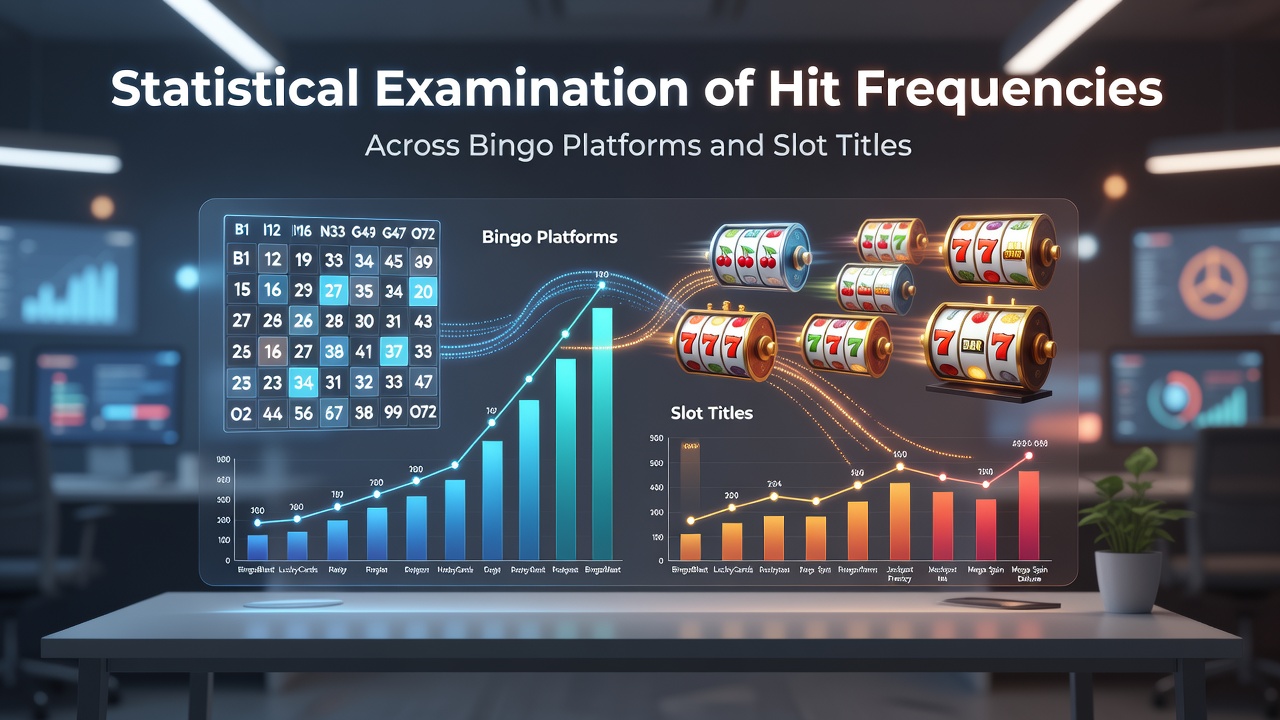
Comparative Analysis of Hit Frequencies in Bingo and Slot Gaming
Hit frequency measures the proportion of spins or draws that produce a winning outcome in gaming environments, and researchers track these patterns through large datasets collected from regulated operators, while statistical models help separate random variation from structural design choices in both bingo platforms and slot titles.
Defining Hit Frequency Across Game Types
Bingo systems generate outcomes through numbered ball draws that continue until patterns form on player cards, whereas slot titles rely on random number generators that align symbols across paylines, yet both formats allow analysts to calculate hit rates as the ratio of successful events to total trials conducted over extended periods.
Data indicates that traditional bingo sessions often record hit frequencies between 35 and 55 percent depending on the number of balls drawn and the specific pattern required, while slot machines typically range from 15 to 40 percent based on reel configuration and paytable weighting, and these ranges emerge consistently across aggregated reports from multiple jurisdictions.
Methodologies Used in Frequency Examination
Statisticians apply binomial probability calculations and Monte Carlo simulations to model expected outcomes, and they cross-reference results against live server logs that capture millions of individual events, while regression analysis identifies correlations between game parameters such as reel count, symbol distribution, and observed hit rates.
One study released in early 2026 examined over 2.8 billion slot spins from North American and European operators, revealing that progressive jackpot titles posted lower average hit frequencies than standard video slots because designers allocate more return-to-player percentage toward infrequent large prizes, yet base game hits remained stable across volatility tiers.
Platform-Specific Variations in Bingo Environments
Online bingo platforms differ from land-based halls in session length and player volume, which influences how quickly patterns complete, and observers note that 75-ball and 90-ball variants produce distinct frequency curves even when operated by the same software provider because the total number pool changes the mathematical likelihood of matches on each draw.
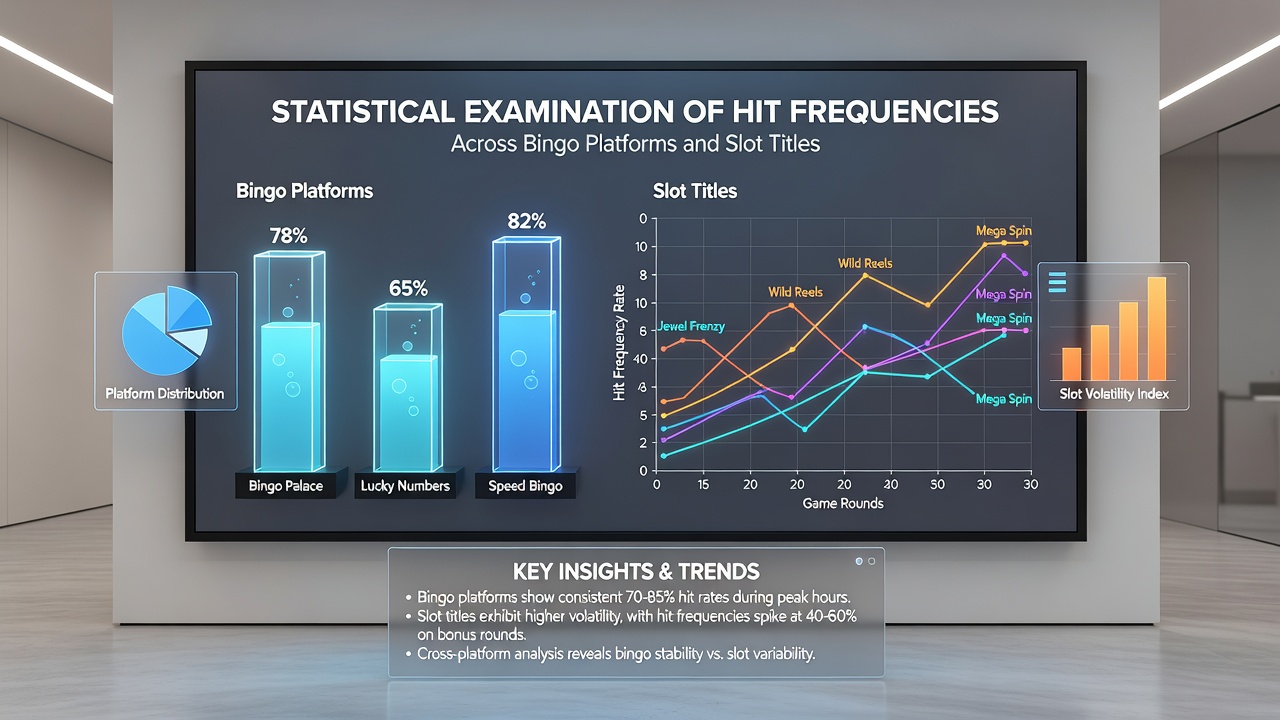
Figures released by the Australian Gambling Research Centre show that bingo hit rates remained within a narrow band during 2025 and into October 2026 despite increased player participation, suggesting that core draw mechanics resist external variables more effectively than slot algorithms that incorporate bonus round triggers.
Slot Title Comparisons and Design Influences
Game developers adjust hit frequency through symbol weighting and bonus feature frequency, and titles marketed as high-volatility options deliberately suppress regular small wins to create larger payout swings, whereas low-volatility games increase the proportion of spins that return credits to maintain steady engagement metrics.
Industry reports compiled by the Nevada Gaming Control Board demonstrate that slot hit frequencies cluster around 25 percent for medium-volatility releases, with seasonal promotions in October 2026 producing temporary upticks in observed rates because operators temporarily boosted bonus round probabilities to encourage play during slower periods.
Cross-Game Statistical Patterns
Comparative datasets reveal that bingo hit frequencies tend to stabilize faster than slot frequencies because each draw operates independently without carry-over effects from previous outcomes, while slot reels can create streaks due to the fixed probability distribution across thousands of possible symbol combinations.
Research from the Canadian Centre for Addiction and Mental Health examined player session data and found that bingo participants experienced winning events at more regular intervals than slot users across equivalent time spans, although total return percentages remained comparable when measured over full playing cycles.
Conclusion
Statistical examination of hit frequencies continues to provide operators and regulators with objective benchmarks for evaluating game fairness and player experience consistency, and ongoing data collection through October 2026 and beyond supports refinement of both bingo and slot designs without altering underlying random principles.