Algorithmic Controls and Their Role in Slot and Bingo Mechanics Under Global Regulatory Standards
Alex Washington · Oct 20, 2026
Algorithmic Controls and Their Role in Slot and Bingo Mechanics Under Global Regulatory Standards
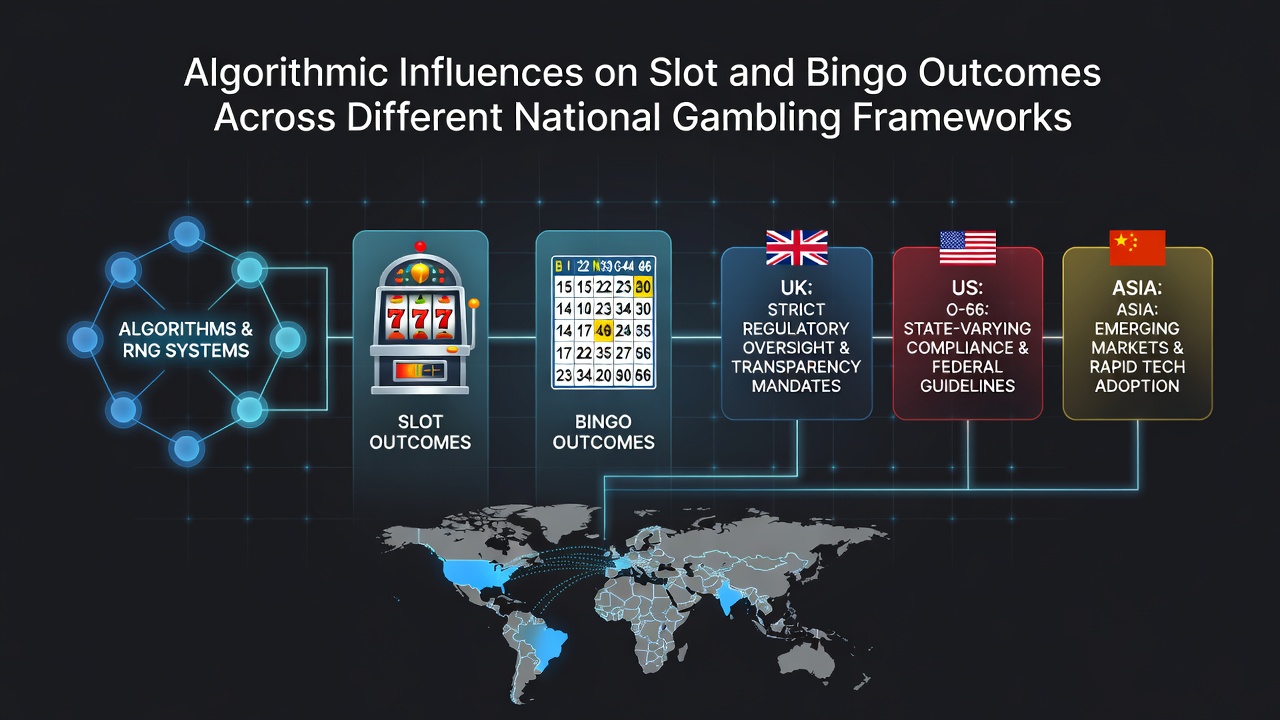
Algorithmic systems determine outcomes in slot machines and bingo games through pseudorandom number generators that operate under strict technical standards set by national authorities, and these frameworks vary significantly across jurisdictions while requiring independent laboratory certification to verify fairness and unpredictability. Research from regulatory bodies shows that certified RNGs must pass statistical tests for uniformity, independence, and absence of patterns before deployment in commercial operations.
Core Technical Components in Slot Algorithms
Slot game algorithms rely on linear congruential generators or more advanced Mersenne Twister variants that produce sequences passing chi-square and runs tests at regular intervals, whereas bingo systems often use similar generators but apply them to shuffled ball sets that simulate physical draws. Data from testing laboratories indicates that these algorithms undergo evaluation against standards such as those maintained by the Gaming Standards Association, and operators must submit source code for review in most regulated markets. Studies conducted by academic institutions reveal that return-to-player percentages derive directly from weighted symbol distributions programmed into the RNG cycle, and these values remain fixed once approved by oversight agencies.
Bingo Algorithm Variations and Regulatory Requirements
Bingo platforms incorporate RNGs to select numbers in sequence, yet many jurisdictions mandate additional layers such as pre-generated draw sequences stored in encrypted logs that auditors can access during compliance checks. In October 2026 several North American regulators updated their technical specifications to include entropy source validation for hardware-based RNGs used in live bingo networks, and figures from those updates demonstrate improved detection rates for potential bias in high-volume operations. Observers note that electronic bingo differs from traditional slots because the game logic must also manage player card assignments without introducing correlations between concurrent sessions.
Comparative Analysis Across National Frameworks
The United States applies state-level oversight where Nevada requires RNG certification through its Gaming Control Board laboratory protocols while New Jersey mandates additional penetration testing for networked bingo systems. Canadian provinces such as Ontario enforce RNG audits aligned with AGCO standards that emphasize continuous monitoring of live game data streams, and Australian state commissions require annual re-certification plus public disclosure of theoretical payout percentages for both slot and bingo titles. European markets outside the United Kingdom operate under directives that reference CEN standards for random number testing, and these requirements result in documented differences in minimum sample sizes for statistical validation compared with North American approaches.
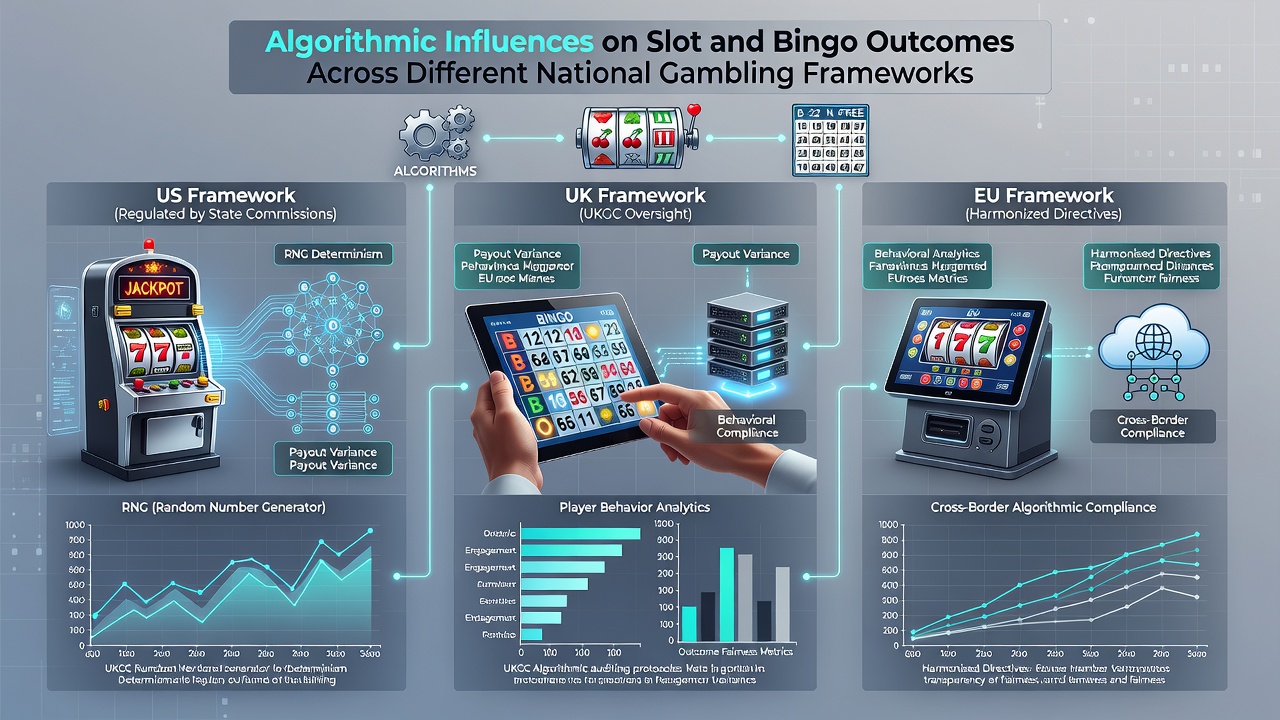
One regulatory report from the Nevada Gaming Control Board outlines how algorithm updates trigger fresh evaluation cycles that can extend approval timelines by several weeks, and similar documentation from Australian state authorities shows parallel emphasis on source code escrow arrangements. Researchers at technical universities have published comparative analyses indicating that hardware RNGs used in certain bingo networks achieve higher entropy scores than software equivalents, though both types must satisfy identical output distribution criteria once certified. Those who've examined cross-border operations find that operators often maintain separate algorithm versions tailored to each jurisdiction's approved libraries to avoid conflicts during multi-market deployments.
Certification Processes and Laboratory Standards
Independent testing facilities such as Gaming Laboratories International and BMM Testlabs conduct teh majority of RNG evaluations using standardized suites that include diehard and NIST statistical test batteries, and regulators in multiple countries accept results from these labs when accompanied by jurisdiction-specific compliance statements. Evidence from industry reports reveals that bingo RNGs face extra scrutiny around collision resistance because repeated number sequences could affect prize pool calculations in progressive formats. Data collected during routine audits shows that approved systems log every generated outcome with timestamps and seed values, enabling forensic reconstruction if discrepancies arise during player disputes or regulatory inspections.
Conclusion
National gambling frameworks establish distinct pathways for algorithmic approval yet converge on core principles of statistical randomness and independent verification that apply equally to slot and bingo products, and ongoing technical updates continue to refine testing methodologies across regions. Regulatory records indicate that these controls maintain consistent outcome integrity when operators adhere to documented procedures and maintain current certifications.